
STANDING
GROUP ON
ATROCITY
CRIMES
The Standing Group on Atrocity Crimes
is an independent initiative dedicated to urgently strengthening the United Kingdom’s approach to atrocity prevention and response. It comprises a group of leading international lawyers and cross-party parliamentarians and policy advisers. The Standing Group will make timely, impactful, and expert recommendations to government officials, policymakers, and civil society to bring the UK Government closer to creating a comprehensive framework to prevent and respond to international crimes.
WHO
Despite past and ongoing efforts, the UK Government lacks a cohesive atrocity prevention and response strategy. While disparate legislative initiatives, related to preventing crimes and holding perpetrators accountable, have gained cross-party support, core recommendations remain unimplemented. The Standing Group seeks to bridge this gap by leveraging expert knowledge, building political consensus, and driving policy change. Our work builds upon, and helps further, the efforts of several civil society organizations, seeking to reinforce the UK’s leadership on international justice.
The Standing Group’s work comes at a time where mass atrocities, including the crime of aggression, war crimes, crimes against humanity and genocide, are becoming a prominent and seemingly permanent feature of our world.
WHY
Our primary goal to create a unified, effective, and enforceable atrocity prediction, prevention and response strategy within the UK Government, aligned with existing international legal obligations. We aim to establish mechanisms for addressing atrocity crimes including the crime of aggression, genocide, war crimes, and crimes against humanity through legislative reform and policy change.
AIMS
Key priorities include:
Enhancing government coordination on risk assessment and atrocity prevention.
Supporting the passage, following re-assessment, of legislative measures on anticipation and prevention such as the Genocide (Prevention and Response) Bill and the Genocide Determination Bill .
Creating the conditions for proactive use of international mechanisms of settlement of disputes in relation to international wrongful acts.
Strengthening UK laws on universal jurisdiction to prosecute international crimes.
Considering reforms to human rights sanctions legislation to be clearer in scope and permit reparative relief to victims of international crimes.
Providing rapid-response legal expertise in urgent cases of international concern.
MEMBERS
EXECUTIVE COMMITEE
-
-
-

Professor Payam Akhavan OOnt FRSC
Professor of International Law, Human Rights Chair and Senior Fellow, Massey College, University of Toronto
-
Professor Christine Chinkin FBA
Emerita Professor of International Law, Professorial Research Fellow and Founding Director of the Centre of Women Peace & Security at LSE
-
Federica D’Alessandra
Deputy Director, Institute for Ethics, Law, and Armed Conflict (ELAC); Director, Oxford Programme on International Peace and Security (IPS)
-

Alistair Fernie
CEO, an International NGO; former Senior Civil Servant
-
-
-

Andrew Gilmour CMG
Senior Adviser, Centre for Humanitarian Dialogue; former UN Asst. Secretary General for Human Rights; former CEO Berghof; former Visiting Fellow of All Souls, Oxford
-

Wayne Jordash KC
President, Global Rights Compliance Foundation; Associate, Doughty Street International
-

Baroness Helena Kennedy LT KC
Director, International Bar Association's Human Rights Institute, Barrister and Member of the House of Lords [Chair]
-

Oleksandra Matviichuk
CEO, Center for Civil Liberties, Ukraine; Nobel Peace Prize Laureate
-
-
-

Jason McCue
Senior Partner, McCue Jury & Partners LLP
-
Dr Beth Van Schaack
Distinguished Fellow, Stanford University; former Ambassador-at-Large for Global Criminal Justice, U.S. State Department
-
Rupert Skilbeck
Director, Redress; Barrister [CSL]
-

Professor Fernand de Varennes
Visiting Professor, University of Sarajevo and Université Catholique de Lyon; former UN Special Rapporteur on Minority Issues
-
-
-

Dr Ewelina Ochab
Senior Programme Lawyer, IBAHRI; Co-Founder, Coalition for Genocide Reponse [Co-Convener]
-

Aarif Abraham
Barrister, Co-Lead, International Criminal Law Team, Doughty Street Chambers; Director, Accountability Unit [Co-Convener]
ADVISORY BOARD
-
-
-
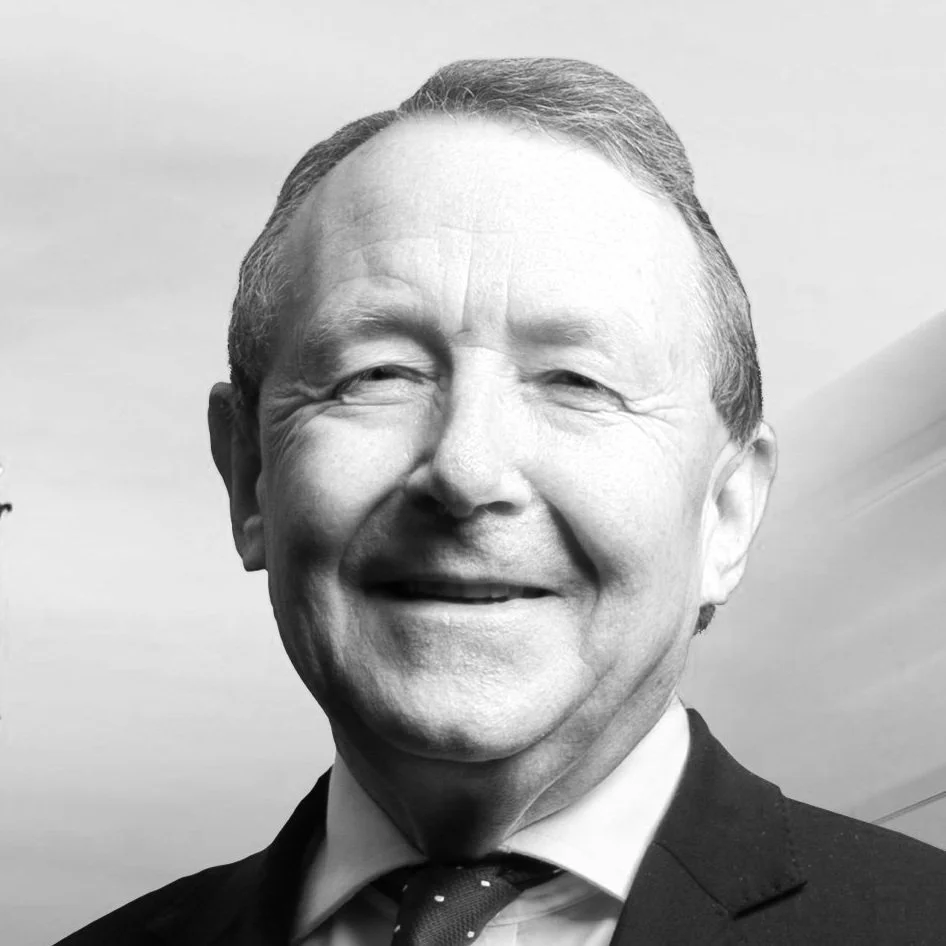
Professor Lord David Alton, KCSG, KCMCO
Independent Crossbench Member of the House of Lords; former MP 1979-1997; former Professor of Citizenship
-
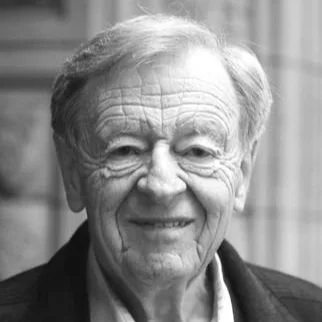
Lord Alfred Dubs
Labour Member of the House of Lords
-

Richard Foord MP
Liberal Democrat MP
-

Baroness Arminka Helić
Conservative Member of the House of Lords
-
-
-

Baroness Fiona Hodgson CBE
Conservative Member of the House of Lords
-

Brendan O'Hara MP
Scottish National Party MP
-

Baroness Liz Sugg CBE
Conservative Member of the House of Lords
-
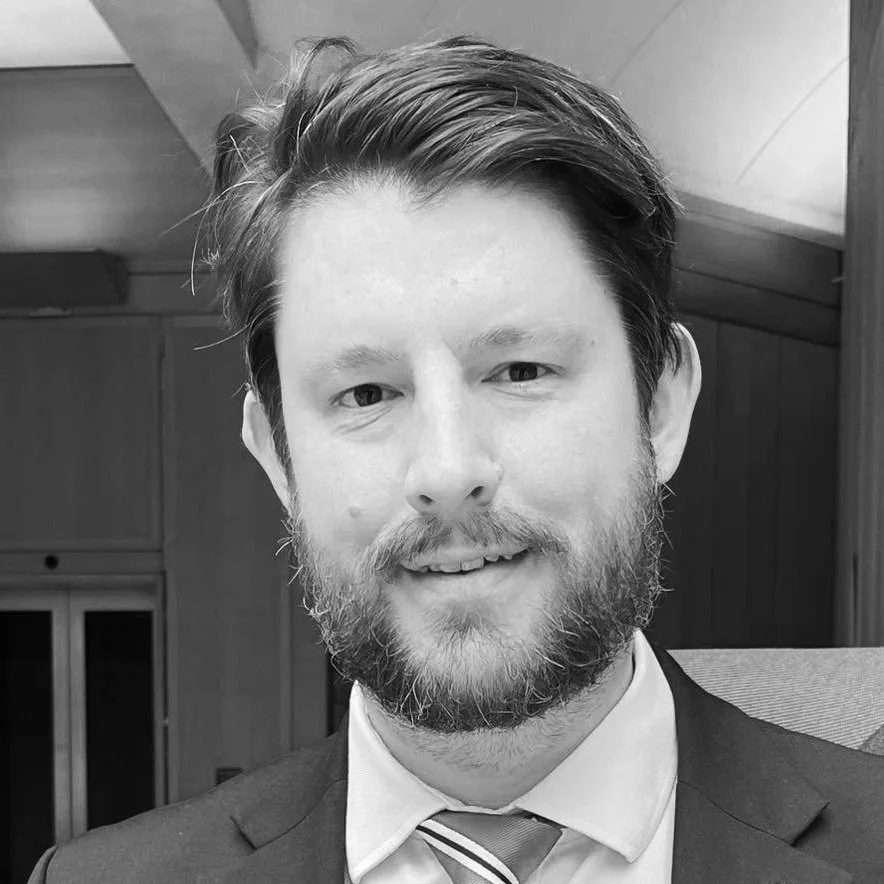
David Taylor MP
Labour MP
-
-
-

Luke de Pulford
Political Adviser (Conservative)
-

James Jennion
Co-Director, Labour Campaign for Human Rights
IMPACT
Our coalition has already contributed to meaningful policy changes, including:
Strengthening parliamentary scrutiny of trade deals involving states linked to atrocity crimes.
Advancing genocide prevention legislation through the UK Parliament.
Impacting government policies on atrocity determination, leading to the recognition of genocide against the Yazidis.
Elevating the international legal debate on the recognition of crimes against the Uyghur and Yazidi communities.
TEAM
SECRETARIAT
-
-
-

Marissa Kardon Weber
RESEARCH ANALYST
Lawyer specializing in international criminal law, human rights law, and transitional justice
-

Louise Willocx
RESEARCH ANALYST
Barrister, Doughty Street Chambers
-

Nancy Williams
RESEARCH ANALYST
Barrister, Doughty Street Chambers

DOCS
Oleksandra Matviichuk,
CEO, Center for Civil Liberties, Ukraine; Nobel Peace Prize Winner
RESOURCES
DOWNLOADS AND MEDIA
EVIDENCE
Expert Evidence
Call Evidence
Expert evidence submitted to the Standing Group’s independent review.
Kristina Arriaga
Former Vice Chair, U.S. Commission on International Religious Freedom; CEO Intrinsic; Trustee, Meta’s Oversight Board
Oral Evidence
9 June 2026
Written Evidence
28 July 2026
Dr Kate Ferguson
Co-Executive Director, Protection Approaches
Oral Evidence
8 June 2026
Written Evidence
6 June 2026
Judge Theodor Meron
Visiting Professor of Law, University of Oxford and Honorary Fellow, Trinity College; Charles L. Denison Professor of Law Emeritus and Judicial Fellow, New York University School of Law; Former President, ICTY and IRMCT
Oral Evidence
8 June 2026
Written Evidence
6 June 2026
Natia Navrouzov
Executive Director, Yazda
Oral Evidence
9 June 2026
Written Evidence
5 June 2026
Sir Geoffrey Nice KC
Barrister at Temple Garden Chambers; lead prosecutor for the Trial of Slobodan Milošević at the International Criminal Tribunal for the former Yugoslavia; Chair of the China Tribunal; Chair of the Uyghur Tribunal; Emeritus Professor of Law, Gresham College London
Oral Evidence
23 April 2026
Written Evidence
22 April 2026
Elisabeth Pramendorfer
Geneva Director, Global Centre for the Responsibility to Protect
Oral Evidence
23 April 2026
Written Evidence
2 April 2026
Prof. William Schabas
Professor of International Law at Middlesex University; Emeritus Professor, Leiden University and University of Galway
Oral Evidence
8 June 2026
Written Evidence
1 April 2026
Jeffrey Sizemore
Mary Wing-Ming Lee Senior Human Rights Research Fellow 2026, University of Queensland School of Political Science and International Studies; Visiting Professor, Jimmy and Rosalynn Carter School for Peace and Conflict Resolution at George Mason; Former Deputy Director, Office of Security and Human Rights and Senior Advisor on Atrocity Prevention, Bureau of Democracy, Human Rights, and Labor, US Department of State
Oral Evidence
23 April 2026
Written Evidence
14 April 2026
Prof. Diane Marie Amann
Visiting Professor, London School of Economics and Political Science Law School; Regents’ Professor Emerita and Emily & Ernest Woodruff Chair in International Law Emerita, University of Georgia School of Law
Oral Evidence
9 June 2026
Written Evidence
25 May 2026
Prof. Claus Kreß
Professor of International Law and Criminal Law at the University of Cologne; Special Adviser to the Prosecutor of the ICC on the Crime of Aggression (since 2021); Judge ad hoc at the ICJ in The Gambia v Myanmar (since 2019)
Oral Evidence
8 June 2026
Written Evidence
8 June 2026
Written Evidence received in reply to the Call for Submissions by the Standing Group is listed below in alphabetical order. Some of those who submitted evidence wished to remain anonymous.
Children and Crimes Against Humanity Coalition
Justice for Children in the Future Convention on the Prevention and Punishment of Crimes Against Humanity
5 January 2026
Coalition to End Forced Labour in the Uyghur Region
Submission to the Standing Group on Atrocity Crimes: UK Framework to Address Atrocity-Related Issues
17 December 2025
John Cubbon, Barrister at Outline Chambers
Institutional Reform to Improve the UK’s Efforts to Prevent Atrocities
31 December 2025
Economic Security Council of Ukraine
The Silent Front: Russian Cyber Aggression in Ukraine and the Urgent Need for Global Reform
25 March 2026
Dr Ian Hanson, Senior Research Fellow, School of Law and Society, Bournemouth University
Response to Call for Written Submissions – Standing Group on Atrocity Crimes
3 January 2026
Mass Grave Protection, Investigation & Engagement (MaGPIE)
Mass Grave Evidence for Atrocity Crimes Preparedness, Response and Resolution
11 December 2025
Emily Prey, New Lines Institute
How Understanding Gender Can Improve Atrocity Prediction, Prevention, and Response
2 January 2026
René Cassin
Submission to the Standing Group on Atrocity Crimes on Incorporating the 1951 Refugee Convention into Atrocity Response
2 January 2026
Stop Uyghur Genocide
Submission to the Standing Group on Atrocity Crimes – UK Framework to Address Atrocity-Related Issues
02 January 2026
Anna Sayko, Ukraine Justice Centre; Daniil Ukhorsky, Legal Action Worldwide
Submission to the Standing Group on Atrocity Crimes
14 January 2026
Yuliya Ziskina, Razom for Ukraine
How Repurposing Immobilised Assets Can Strengthen Atrocity Prevention and Response
2 January 2026
NEWS


FAQs
-
The proliferation of atrocity crimes worldwide in recent years has made it very clear that the UK Government does not have comprehensive atrocity prevention mechanisms and strategies that would equip it to respond to atrocity crimes globally, in accordance with its legal obligations under existing international law (including the Genocide Convention, the Torture Convention, the core human rights treaties, and customary international law), as well as its political commitments under the Responsibility to Protect (R2P). These failures require urgent attention.
Furthermore, as the UN General Assembly (UNGA) prepares to consider the draft treaty on crimes against humanity, which is to impose legal duties on States to prevent and punish crimes against humanity, it is crucial to ensure that the UK can play a meaningful role in these discussions and is able to deliver on existing as well as new commitments.
-
The term ‘atrocity crimes’ is not legally defined. The core international crimes are war crimes, crimes against humanity, genocide and the crime of aggression as defined in several international treaties and customary international law. The commission of these crimes incurs individual criminal responsibility and can be prosecuted in domestic or international courts or tribunals (where they have jurisdiction). These core crimes are also considered violations of peremptory norms of international law, in addition to other peremptory norms violations such as apartheid, discrimination, and piracy among others. The violation of peremptory norms constitutes an internationally wrongful act, incurring State responsibility. The commission of core international crimes, or violations of peremptory norms incurring State and individual responsibility, can collectively be referred to as ‘atrocity crimes.’
Some scholars consider ‘ethnic cleansing’ to be included within the scope of atrocity crimes. However, ‘ethnic cleansing’ is not legally defined. What is considered to be ‘ethnic cleaning’ can amount to international crimes such as war crimes, crimes against humanity and genocide, and should be presented and considered as such. This is to avoid confusion in terms of commission (of a distinct crime) and the responsibility arising thereof.
-
The Standing Group is not directly focused on any specific or particular situation, past or present. The purpose of the Group is to consider UK laws, policies and practices in relation to atrocity prevention and response generally in light of international legal obligations in an independent and impartial manner.
When considering its mandate, the Standing Group will naturally consider all situations of international concern where the body of publicly available and credible evidence, especially before international organisations such as the United Nations or international courts/tribunals, suggests that international crimes are at risk of being committed or have been committed or are ongoing.
Political expediency, political affiliation, or individual identities should not be relevant to the question of State responsibility or individual criminal responsibility for atrocity crimes, as defined in the relevant international instruments.
The work of the Standing Group aims to strengthen UK responses to atrocity crimes, no matter where they are perpetrated or by whom. The Group will maintain its independence, impartiality and integrity.
-
The Standing Group’s focus is broad, covering all international crimes. The focus on genocide is a starting point, and the UK Government is welcome and encouraged to take a broader approach to the prevention of international crimes. There are no hierarchies when it comes to core international crimes such as the crime of aggression, genocide, war crimes and crimes against humanity.
The rationale for why the Standing Group’s key issues list focuses on preventing genocide is that there is a binding and enforceable legal obligation under a treaty, the Genocide Convention, on all States to prevent genocide the ‘instant it learns of the serious risk’ and which requires it to use ‘all means reasonably available to it’ in order to prevent or stop ongoing harm. A similar obligation to prevent exists under the Torture Convention. Over the coming years, such an obligation may be introduced in relation to crimes against humanity.
The work of the Standing Group will consider the relevance of the Genocide Determination Bill, the first of its kind, which would provide a concrete and tangible mechanism to prevent genocide. If or when the current international initiative to create a Convention on Preventing and Punishing Crimes Against Humanity is successful, of course, stakeholders can consider expanding the scope of consideration of any future Act to include a duty to prevent to apply to crimes against humanity.
The Standing Group will also consider obligations on States to prevent violations of peremptory norms of international law in light of how they are dealt with under customary international law.
-
All members of the Standing Group’s Committee and Advisory Board are acting entirely pro bono. No member is remunerated.
The Standing Group’s Secretariat also undertakes almost the entirety of its work pro bono. Some small administrative costs comprising less than £14,000 (year one) and £5,000 (years two and three) – related to maintaining an online presence and administrative support – are sought from individual philanthropic donors.
The Standing Group maintains and guards its independence and impartiality fiercely and only unconditional donations are accepted and subject to relevant checks in line with guidance from the Charity Commission.
Anyone wishing to contribute to the work of the Secretariat generally can support the Coalition for Genocide Response by donating, through Paypal, here. Further information can be found at https://genocideresponse.org.